Crazy Fashion Font for Bold Handmade Product Labels
Standing at my workbench with a fresh batch of soy candles cooling, I realized my minimalist labels were getting lost in the sea of beige and white on my shop shelves. I needed something that screamed personality without sacrificing that modern, clean aesthetic my customers love, which is exactly when I started testing Crazy Fashion for my product packaging. This bold, blocky font immediately transformed my simple glass jars into statement pieces, proving that the right typography can completely change how a handmade item is perceived. As a maker who constantly juggles between digital design and physical production, finding Sans Serif Fonts that translate beautifully from screen to sticker paper is a constant quest, and this typeface has quickly become a staple in my creative toolkit.
Designing Eye-Catching Candle Labels with Crazy Fashion
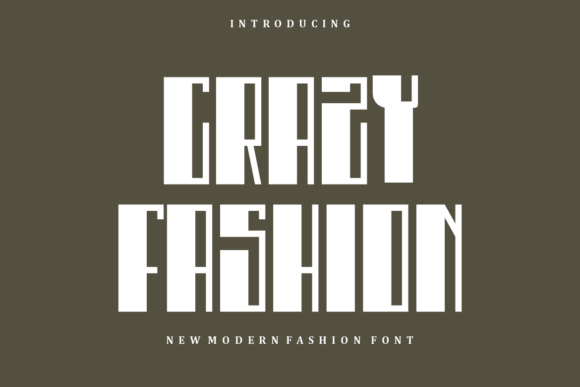
When applying Crazy Fashion to candle labels and wax melt packaging, the thick, angular letters provide the visual weight necessary to stand out against textured paper and glossy finishes. In the world of handmade home goods, your label is often the first interaction a customer has with your brand, and using a display font with such strong geometry creates an instant impression of quality and intentionality. I found that scaling up the font size for scent names like "Amber & Driftwood" allowed the blocky structure to act almost as a graphic element rather than just text, making the product pop in listing photos and at craft fairs. Because Crazy Fashion is a bold, blocky font that makes a strong, stylish statement, it pairs exceptionally well with negative space, allowing the unprinted areas of the label to breathe while the typography anchors the design. For fellow Cricut or Silhouette users, the solid, uniform strokes of this Sans Serif typeface are a dream to cut on vinyl, eliminating the frustration of weeding tiny serifs or fragile script connections that often plague intricate label designs.
Crazy Fashion for Modern Wedding Signage and Welcome Boards
Integrating Crazy Fashion into wedding stationery suites offers a refreshing alternative to traditional calligraphy, especially for couples seeking a contemporary, editorial vibe for their big day. While delicate scripts have their place, the thick, angular letters of this font shine when used for high-impact items like welcome signs, seating charts, and acrylic table numbers where readability from a distance is paramount. I recently used this typeface for a set of printable wedding templates, and the feedback highlighted how the bold lettering felt both celebratory and grounded, avoiding the stuffiness sometimes associated with formal events. When designing these larger format pieces, Crazy Fashion serves as an excellent header font that grabs attention instantly, guiding guests’ eyes to essential information without requiring them to squint. It is important to remember that while this font is perfect for titles and names, balancing it with a lighter, simpler sans serif for body text ensures the overall design remains accessible and elegant. This strategic use of Fonts creates a hierarchy that feels professional and polished, elevating DIY wedding projects to boutique standards.
Creating Readable Sticker Sheets and Planner Accessories with Crazy Fashion
For printable creators and stationery designers, utilizing Crazy Fashion on sticker sheets requires careful consideration of scale and legibility to ensure the bold aesthetic doesn't overwhelm small functional spaces. I love using this font for category headers in planner kits or as emphasis words on journaling stickers, where its blocky nature adds a satisfying tactile feel even in digital formats. The key to success here is restraint; because Crazy Fashion is designed to grab attention, it works best for short phrases, single words, or dates rather than long descriptive sentences that might become visually heavy. When preparing files for print-on-demand sticker products, checking the spacing and kerning is vital, as the angular construction can sometimes create tight spots that need adjustment for optimal flow. Pairing this bold Sans Serif with a handwritten or monoline font creates a delightful contrast that mimics the look of mixed-media scrapbooking, appealing to customers who want their planners to feel personal yet organized. Always verify the commercial licensing before selling these digital assets, ensuring you have the rights to use the typeface in end products intended for sale.
Styling Tote Bags and Apparel with Crazy Fashion Typography
Printing Crazy Fashion onto canvas tote bags and cotton t-shirts demonstrates how versatile this blocky typeface is across different textures and manufacturing methods. Whether you are using heat transfer vinyl, screen printing, or direct-to-garment technology, the thick lines of this font hold ink and adhesive beautifully, reducing the risk of cracking or peeling over time compared to thinner novelty fonts. I’ve found that designs featuring Crazy Fashion work particularly well for slogan-based merchandise or shop branding apparel, where the goal is to communicate a message clearly from several feet away. The geometric precision of the letters lends itself to a retro-modern aesthetic that is currently trending in the maker community, bridging the gap between vintage nostalgia and current design sensibilities. When mocking up these apparel designs, consider how the font interacts with the fabric grain; the structured nature of Crazy Fashion provides a stabilizing visual anchor on soft, draped materials. Remember to test print sizes on actual garments before launching a collection, as the bold weight can appear larger on fabric than it does on a backlit monitor.
Pairing Crazy Fashion with Complementary Sans Serif Fonts for Branding
Building a cohesive brand identity often involves combining Crazy Fashion with supporting typefaces to create a versatile system for packaging, social media, and web presence. Since this font commands so much visual real estate, I typically pair it with a neutral, lightweight sans serif or a classic serif for subheadings and ingredient lists to prevent the design from feeling chaotic. This approach allows Crazy Fashion to serve as the "voice" of the brand—the loud, confident headline—while the secondary fonts handle the logistical details quietly and efficiently. In my own shop rebrand, using this bold typeface for logo lockups and banner graphics created immediate recognition, while a simple geometric sans serif handled the fine print on shipping inserts and business cards. Understanding font pairing is crucial for makers; you want the personality of Crazy Fashion to enhance your products, not compete with them. Additionally, always review the included character sets and language support in your font files to ensure you can accommodate international customers or special characters without breaking the stylistic consistency of your brand materials.
Optimizing Crazy Fashion for Digital Downloads and Listing Images
Showcasing Crazy Fashion effectively in Etsy listing images and digital download previews is essential for converting browsers into buyers who understand the font's potential. When creating mockups for this typeface, I focus on realistic scenarios that highlight its strength, such as close-ups of embossed paper textures or high-contrast signage against natural light. Potential customers need to see that Crazy Fashion isn't just a novelty, but a functional tool for their own creative businesses, so demonstrating its use in varied contexts—from Instagram story templates to product tags—builds confidence in the purchase. It is also helpful to provide usage tips in your product description, suggesting ideal applications like display headers or short-form copy to manage expectations regarding readability at smaller sizes. As a seller of Fonts, emphasizing the technical quality, such as clean vector paths and balanced spacing, reassures other designers that this asset will perform reliably in professional workflows. Ultimately, presenting Crazy Fashion through the lens of real-world application helps bridge the gap between abstract typography and tangible handmade success.